


What Is a Lateral Ankle Sprain?
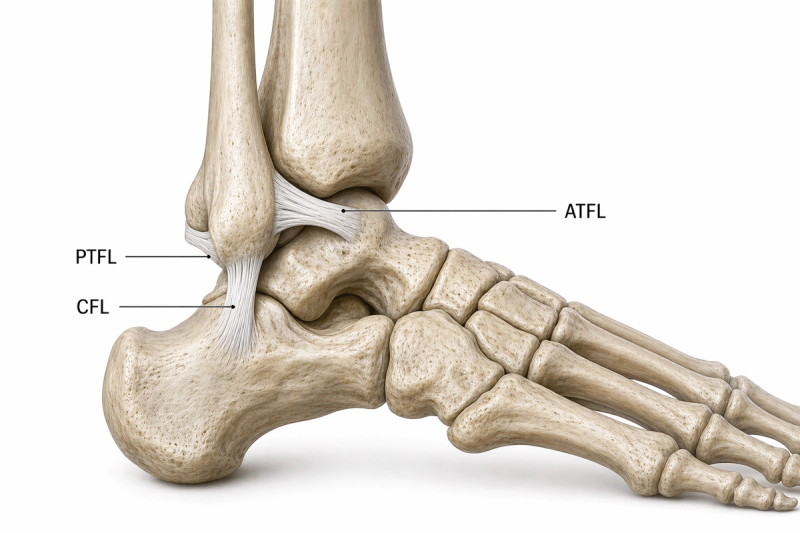
A Lateral Ankle Sprain (LAS) is an injury to the ligaments of the outside of the ankle. This injury is commonly referred to as a “rolled ankle”. A sprain is an injury to ligaments which are predominantly collagenous fibres that connect from bone to bone. The ligaments that are injured in this case generally refer to the ATFL (Anterior Talofibular Ligament). In higher grade sprains, the CFL (Calcaneofibular ligament) and PTFL (Posterior Talofibular Ligament) can also be injured. This type of ankle sprain is extremely common and is more prevalent in females than males, children than adults and in court or indoor sports than any other.
Following injury the ankle can appear swollen, bruised and be difficult to move due to swelling. Pain usually decreases significantly within 2 weeks of a lateral ankle sprain. However, a factor that is commonly overlooked is the chronicity of this injury which results in a high percentage of patients with chronic pain, instability or recurrent sprains.
The Anatomy Behind the Injury
The ankle joint, also called the talocrural joint is composed of three bones: the tibia, fibula and talus. The tibia and fibula form the superior, lateral and medial parts of the joint. The talus is the lower portion and moves within this region. The talus bears the whole bodyweight and the tibia is the primary weight bearing bone in the lower leg. The tibia and fibula are stabilised by ligamentous structures including the anterior inferior tibiofibular ligament (AiTFL) and posterior inferior tibiofibular ligament (PiTFL). The ankle is stabilised by ligaments both medially and laterally from the deltoid ligament to the anterior talofibular ligament (ATFL), calcaneofibular ligament (CFL) and posterior talofibular ligament (PTFL).
The ATFL and CFL limit inversion and provide stability to the lateral ankle. In 66-80% of cases a lateral ankle sprain includes only the ATFL. In 20-30% of cases it includes the ATFL and the CFL. Infrequently it also includes the PTFL.
How Lateral Ankle Sprains Happen
A lateral ankle sprain typically occurs with ankle inversion, plantarflexion or internal rotation or a combination of the above. The most common mechanism is inversion of the ankle. The task being performed at the time of injury is usually some form of pivoting, deceleration or change of direction task.
Grades of Ankle Sprain Severity:
Grade 1: mild sprain
Grade 2: moderate sprain
Grade 3: severe sprain with full ligament tear
When Imaging Is Needed
Imaging is usually not needed unless there are specific signs or symptoms. The Ottawa ankle rules are helpful to determine if imaging is needed.
Ottawa ankle rules:
- Bony Tenderness over distal medial or lateral malleolus
- Bony Tenderness of navicular or base of fifth metatarsal
- Inability to bear weight either immediately or in the emergency department
If any of the above are present then usually an x-ray is performed to rule out fracture.
In cases of suspected higher grade injuries or ongoing pain that is not improving then an MRI could be considered.
An MRI can be helpful for:
- High grade ligament injuries
- Osteochondral defects: damage to cartilage that results in cyst development, ongoing deep ankle pain.
- Syndesmostic injuries: indicating high ankle sprain rather than lateral ankle sprain.
- Occult Fractures: fractures not seen on initial x-ray.
The First 72 Hours
The first 72 hours after an ankle sprain should be focused on:
- Reducing swelling
- Avoid further injury (without unnecessary rest)
- Improve Ankle Range of Motion
- Improve walking ability
Typically, following an ankle sprain (or any acute injury) it was recommended to rest, this advice is outdated and may hinder progress if done for too long. Initial rest is allowed, however, as the pain improves then more movement should be performed as tolerated.
PEACE & LOVE is an acronym that describes the best steps to take following an acute injury such as an ankle sprain.
P: Protect
Avoid further damage of the injured region. This can mean avoiding painful movement and activities.
E: Elevate
Try to have the injured area above the level of the heart as often as possible to help with reducing inflammation
A: Avoid Anti Inflammatories
Anti inflammatories are usually not helpful for acute injuries and can increase the recovery time.
C: Compress
Use a light compression bandage to help with inflammation
E: Educate
Avoid unnecessary/excessive passive treatment and medical investigations unless indicated and allow the injury to progress naturally.
&
L: Load
Begin loading the area as the pain allows. Start with lower load activities and slowly progress to higher load/impactful activities.
O: Optimism
A positive outlook on the situation can help with recovery. High stress, fear and catastrophising can impair the recovery process and can create fear around movement.
V: Vascularisation
Use painless cardio to improve blood flow to the area. This could include unloaded cardio activities such as stationary cycling.
E: Exercise
Use an active approach to recovery.
How to ease back into movement safely
It’s important that following an ankle sprain rest is kept to a minimum and movement based on your capacity to tolerate it is slowly increased. Staying as active as possible is important and also achievable when you consider which areas are most likely to tolerate movement early on.
Which movements should you start with following an ankle sprain?
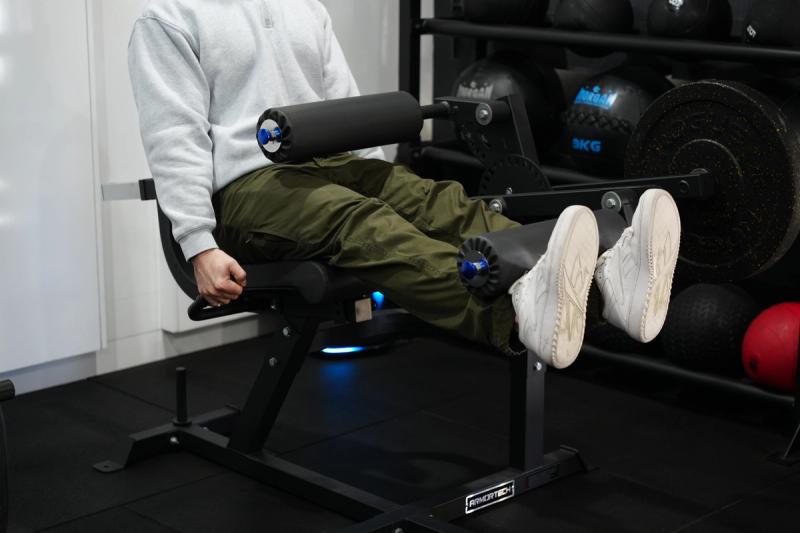
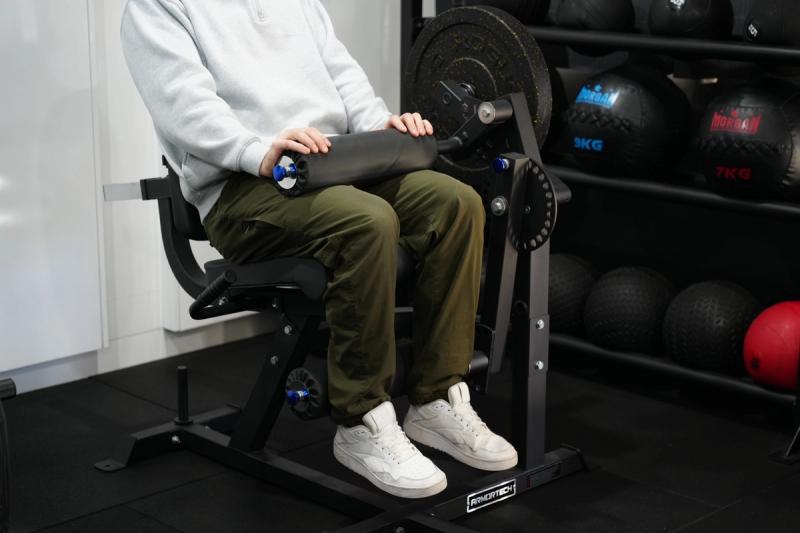
Its best to start with unloaded movements and low intensity tasks such as cycling to remain active and range of motion ankle movements. Additionally, it may be easier to start with strength training tasks that do not require ankle movement such as leg extensions and hamstring curls.
Unloaded Cardio Tasks:

Range of Motion tasks:
Following this, ankle movements can be loaded lightly with a band in any direction. The main movements at the ankle include plantarflexion (pointing the foot down), dorsiflexion (pointing the foot up), inversion (pointing the foot inward), eversion (pointing the foot outward).
Single leg balance tasks can also be completed to slowly introduce loading the leg.

What movements will likely be hardest?
Any ankle movement will likely be difficult initially. Inversion (pointing the foot inward) and plantarflexion (pointing the foot down) and weight bearing initially may be a problem.
What movements will be performed easiest?
Any movements that isolate the knee or hip or are non weight bearing and dont require ankle movement will be easiest. Examples of this include: leg extension, leg curls and cycling.
How to Begin Loading the Ankle
Banded Ankle Movements:
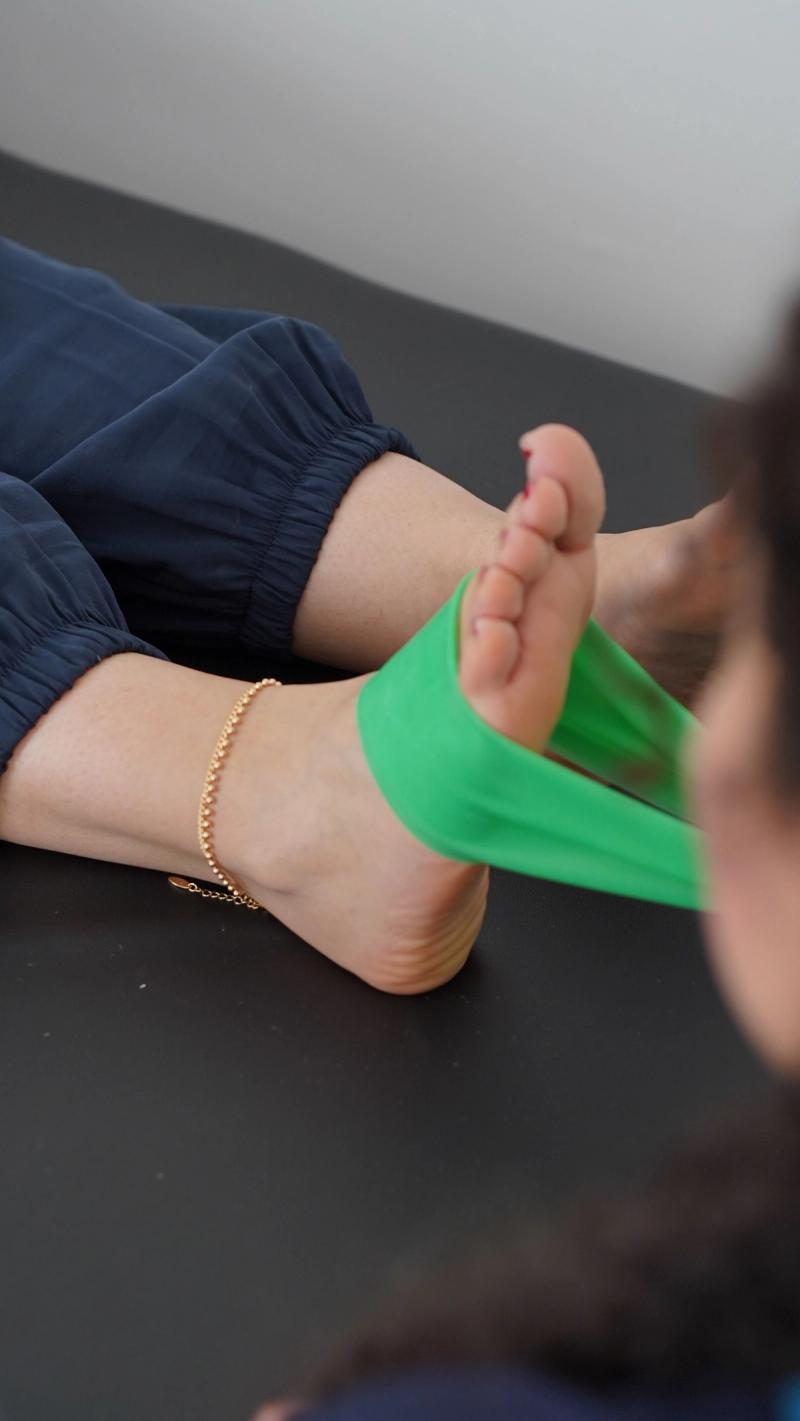
Use a strap or brace temporarily, especially if it gives you confidence to begin loading the ankle:

Its important to stay active and continue with strength training for joints that are further away from the injured area. These areas include the quads, hamstrings glutes and adductors.
Leg Extension:
Leg Curl:
Glute Bridge:

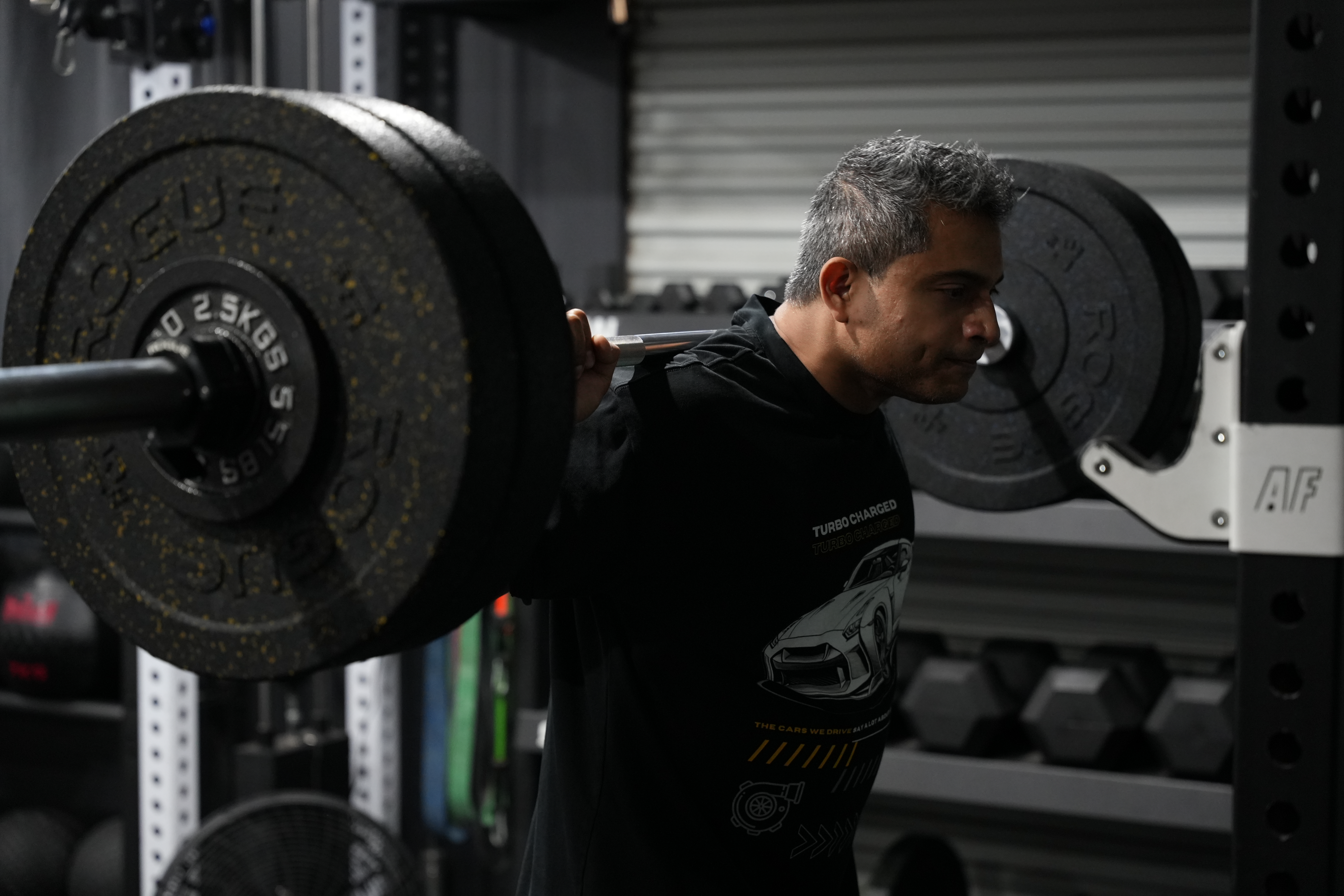
Progressive strength movements to try once your ankle can handle load being placed into it:
- Deadlifts

- Squats

- Steps ups
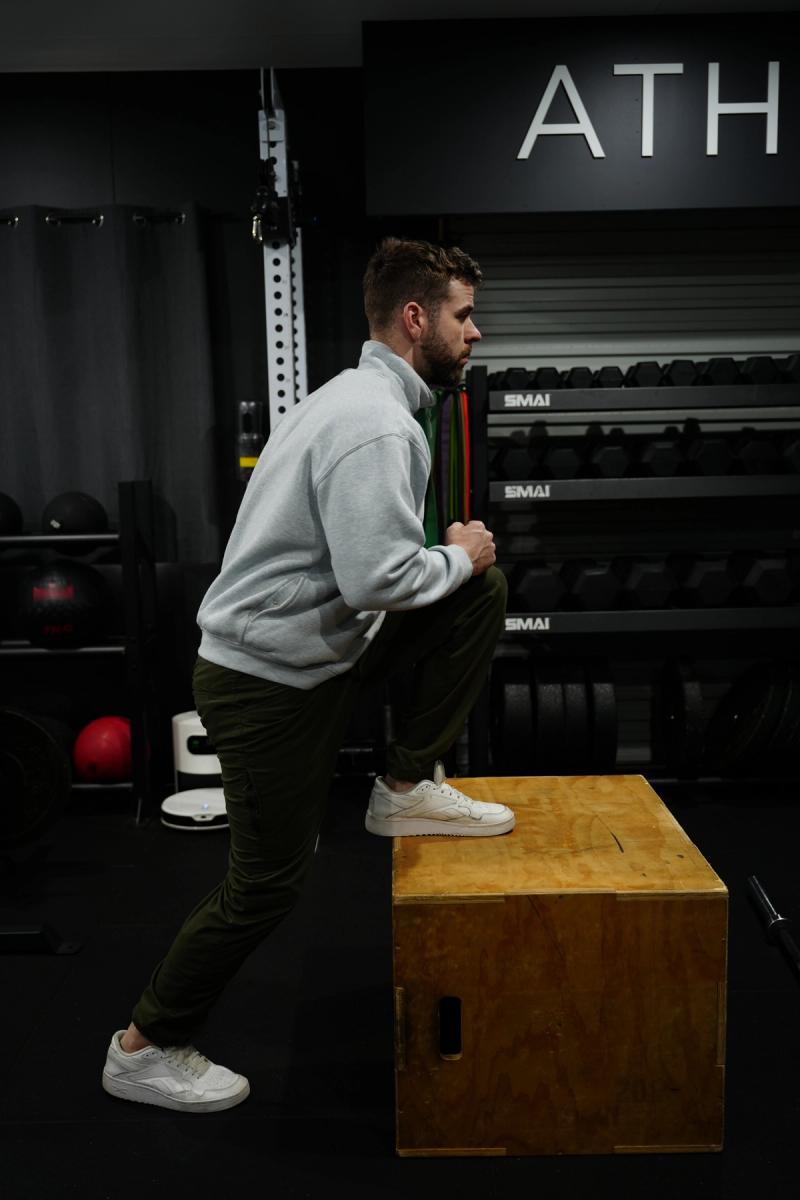
- Lunges/split squat

Balance Exercises:
Balance exercises are a great way to explore ankle movement without significant load and also test your balance. Here are some examples:
Recovering from an ankle sprain?
Get a personalised rehab plan that takes you from early movement all the way back to training and sport.
Book your session today!